
ServSafe Card vs State Food Handler Card: Which Counts?

A ServSafe card (30 of 40 to pass) counts only where the law allows it. California employers pay and cannot demand one before hire; Florida needs DBPR approval.
A ServSafe card (30 of 40 to pass) counts only where the law allows it. California employers pay and cannot demand one before hire; Florida needs DBPR approval.

ServSafe Manager certification runs five years from your exam date; Food Handler and Alcohol certificates run three. Allergens carries no published validity window at all, since ServSafe issues it as a certificate of completion rather than a certification exam.

A hand sink missing soap or towels stops functioning as one under health code, and ServSafe treats a sanitizer-only routine as a failed wash. Personal Hygiene, the content area covering handwashing, illness reporting, and grooming, carries eight of the Food Handler exam’s forty scored questions.
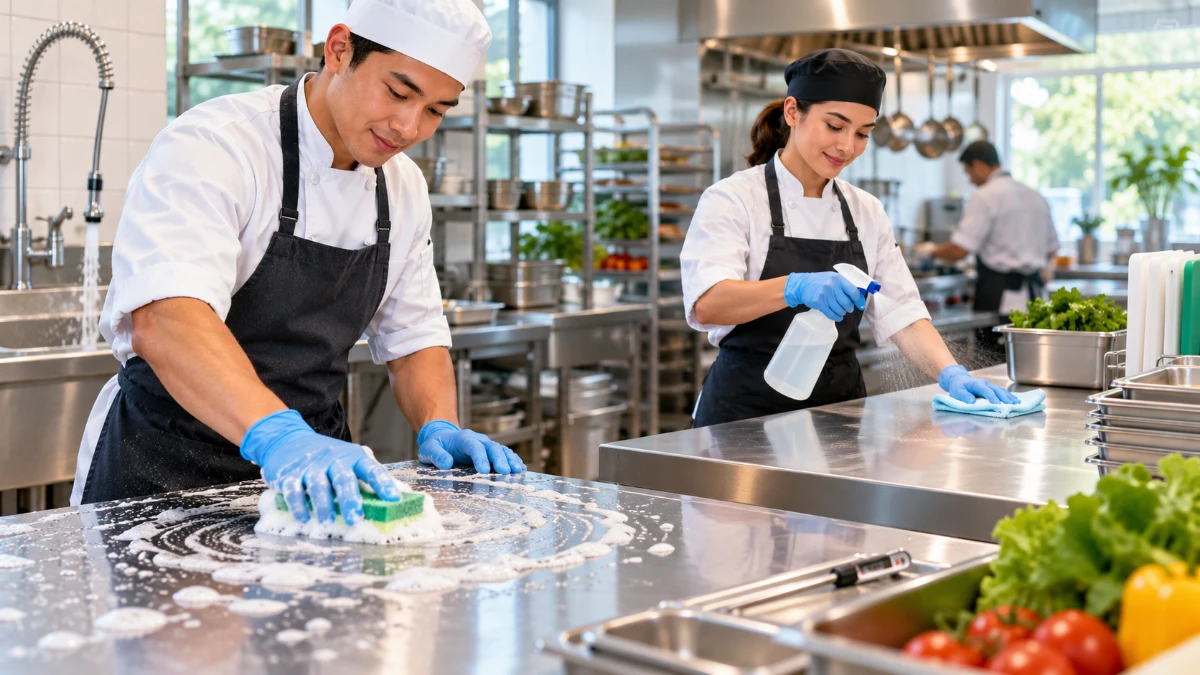
Cleaning removes soil and sanitizing reduces germs on the cleaned surface, in that order every time. ServSafe gives the pair 8 of the 40 scored Food Handler questions and 12 of the 80 on the Manager exam.

ServSafe gives cross-contact 12 of the 40 scored questions on its Allergens exam because heat and sanitizer cannot undo an allergen on a dish. This guide separates it from cross-contamination with a side-by-side table and a scenario sort.

Most first-time ServSafe Manager candidates need 10 to 20 hours of spread-out study to reach the 56-of-80 pass line, while Food Handler candidates often need well under half that time.
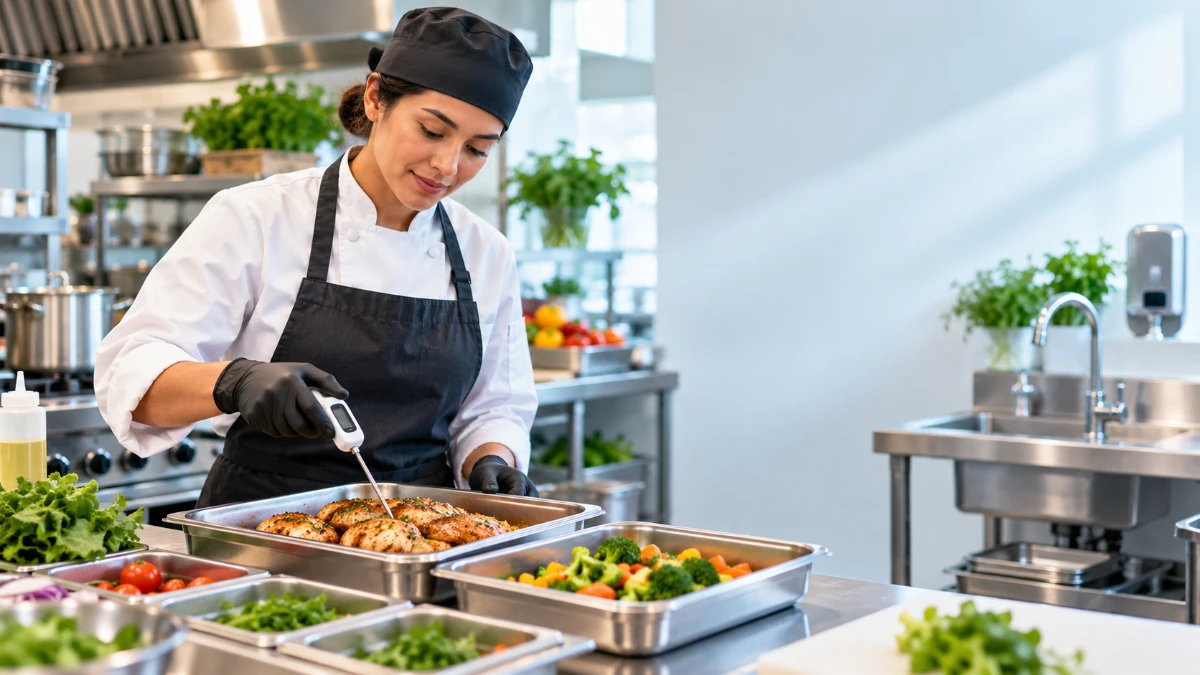
Time and Temperature is one of five ServSafe Food Handler content areas, worth 8 of the 40 scored questions, and most wrong answers come from trusting how food looks or feels instead of checking a thermometer against the 41°F to 135°F danger zone.
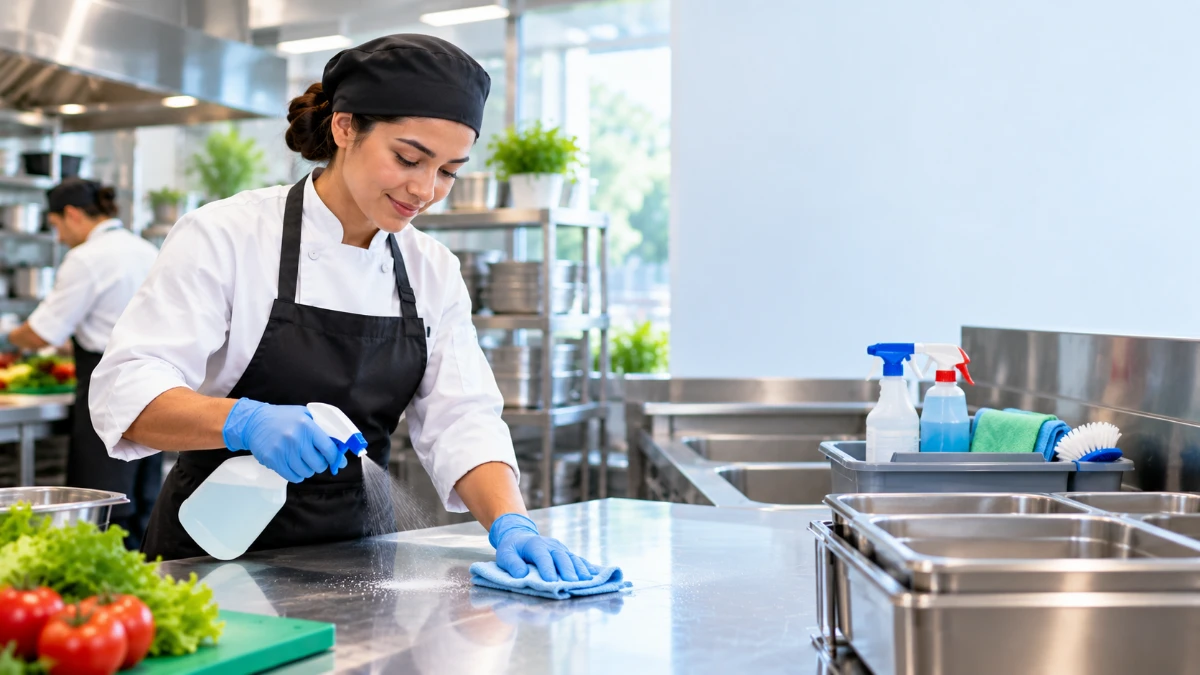
Cleaning and Sanitation is one of five ServSafe Food Handler content areas, worth 8 of the 40 scored questions, and most wrong answers come from treating a rinse or a quick spray as if it finished a job that needs a full wash-rinse-sanitize-air-dry cycle.
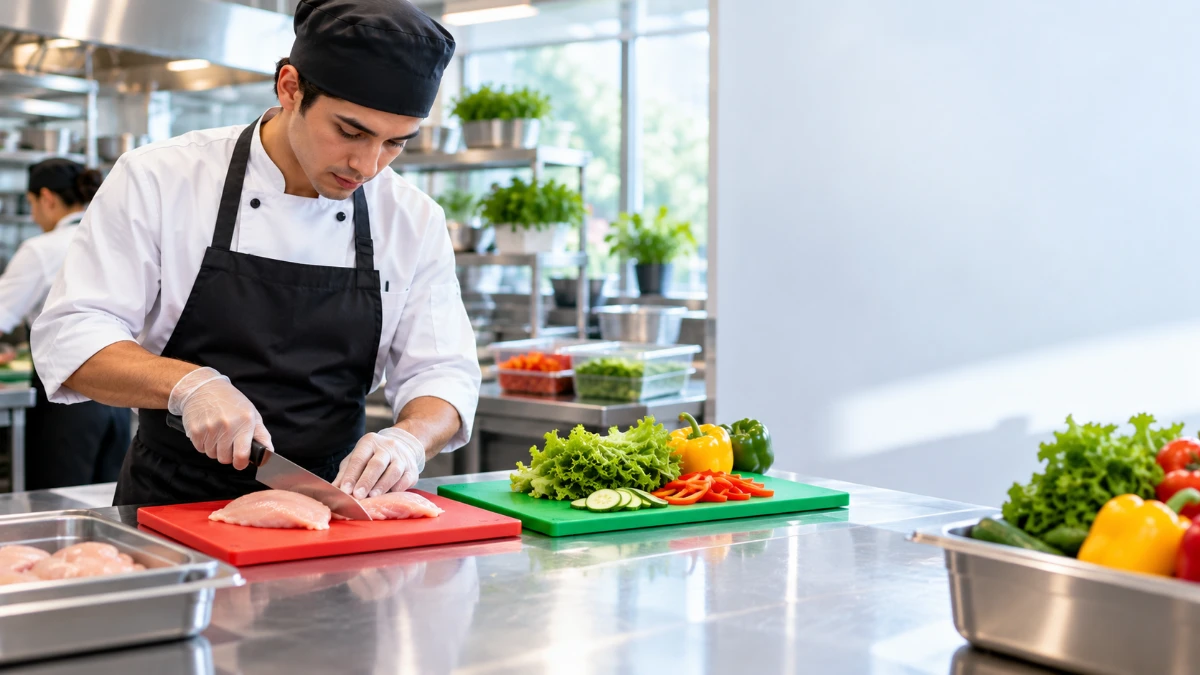
Cross-contact covers allergens moving between foods, hands, tools and surfaces. It’s one of five Food Handler content areas, worth 8 of the exam’s 40 scored questions, and cooking never neutralizes an allergen already on the plate.

A ServSafe food handler’s gloves are only as clean as the last thing they touched: the exam expects a change after raw meat, trash, a task switch, or any high-touch surface, always preceded by handwashing rather than in place of it.