ServSafe Alcohol Primary Full-Length Practice Test
Ten practice tests built to the real Primary exam: 40 questions, all of them scored, no time limit, and a pass at 30 out of 40. Four hundred questions across the ten sets, none repeated.
- 40Questions
- NoTime limit
- 30/40To pass · 75%
- 400Unique Qs
- The right pass mark — 75%, which is 30 of 40. Not the 80% you'll see quoted elsewhere
- All 40 questions scored — no pilot items, whatever other sites tell you
- Untimed, like the real thing — no invented 60-minute clock
- Four content areas, 27 topics — 12 on laws, 10 on intoxication, 10 on difficult situations, 8 on ID checks
- No negative marking — a wrong answer costs exactly what a blank one costs
- Scored by content area, with a PDF report and an explanation on every question
Pay once with PayPal or any debit or credit card. No subscription, and the site runs ad-free once you buy.
How many tests do you want?
One-time payment, no subscription, no drawn-out account setup. What changes between the tiers is how many unique questions you end up with, since nothing repeats from one set to the next.
One test
$1
$1.00 per test
40 unique questions
Enough for a baseline read before you spend anything else.
- Any one of the ten sets
- All four content areas, in exam proportion
- Explanation on every question
- Score broken down by content area
- Downloadable PDF report
All ten tests
$5
50¢ per test · save $5
400 unique questions
Every set on the site. Because difficulty is held steady across all ten, the gap between your first score and your tenth is a real measure of what you've learned.
- All ten full-length sets
- No question repeated across any set
- All 27 topics covered
- PDF report and an attempt dashboard
- Half the per-test price of buying singly
Five tests
$3
60¢ per test · save $2
200 unique questions
A middle option when your exam is only days away.
- Five full-length sets
- No question repeats between them
- Explanation on every question
- Downloadable PDF report
The ServSafe Alcohol Primary exam is 40 questions, and you pass at 75% — that's 30 correct. It isn't timed, all 40 questions are scored, and the standard online version doesn't need a proctor.
Those four facts are worth checking against whatever else you're reading, because a surprising number of prep sites get them wrong. You'll find 80% quoted for Primary, which is the Advanced threshold. You'll find a 60-minute limit, which doesn't exist. You'll find Primary and Advanced described as if they're the same exam.
The 40 questions divide across four content areas: 12 on alcohol laws and server responsibility, 10 on recognising and preventing intoxication, 10 on handling difficult situations, and 8 on checking identification. Twenty-seven topics sit underneath those four. Every question is single-answer with four options, nothing is deducted for a wrong one, and every set is built to the same blueprint, so a score on test 2 and a score on test 9 measure the same thing.
Ten sets, 400 questions, none repeated, every one with a written explanation. $1 each, $3 for five, $5 for all ten.
Four things other sites get wrong
Each of these takes about thirty seconds to verify against the official ServSafe material. Do check — practising against the wrong pass mark or an imaginary clock changes how you prepare.
These tests are built to the right-hand column. If a site can't get the pass mark right, it's fair to wonder what else in its question bank hasn't been checked.
Built to behave like the real exam
The count, the scoring, the pass mark and the content mix all match. The controls match too, so nothing about the interface is new on the day.
40 questions, every one scored
No pilot items, no unmarked questions quietly excluded from the total. The number you see at the end is the number you earned.
Untimed, because the exam is
No countdown, no invented 60-minute limit. You work at the pace you'd actually use, which is what the real Primary exam lets you do.
No negative marking
Four options, one correct answer, nothing taken off for getting it wrong. A blank and a wrong answer score the same, so never leave one empty.
Weighted to the four content areas
Laws and server responsibility 12, intoxication 10, difficult situations 10, checking ID 8. Every set uses those counts, which is what makes two of your scores comparable.
An agreement screen first
The same confirmation step you'll meet before the real exam starts. Small, but better encountered here than for the first time on the day.
Skip, flag, change your mind
Leave a question and come back. Flag anything you're unsure of. Change an answer as many times as you like right up until you submit.
A review screen before you submit
Nothing goes in until you've seen what's still blank and what's still flagged. Losing marks to three questions you meant to return to is an avoidable way to fail.
Restrictions that keep the score honest
Switch tabs and you get a warning; three times and the test submits itself. Copy-paste and right-click are off, and closing the tab prompts you first. A score you could look up isn't a measurement.
Progress saves as you work
A closed tab, a dead battery or a shift starting doesn't cost you the attempt. It's waiting where you left it.
Order shuffles on every attempt
Take a set again and the questions come in a different order, so you're recalling the rule rather than remembering that the answer sat third from the top.
Scoring runs on the server
The answer key is never sent to your browser. Reading the page source tells you nothing, which is a small thing for you and the reason these scores are worth taking seriously.
Scenarios, not definitions
A guest hands over an ID that looks off. A manager leans on you to serve one more. You decide what to do, which is what the exam actually tests.
The report is the part that teaches
A score on its own tells you almost nothing you can act on. What you need is which rule you got wrong and which of the four areas it came from.
34/40
85% · All 40 questions scoredMarked the way the real exam marks it: 30 correct out of 40 is the standard, and anything below shows as a practice fail so you find out before it counts.
This is what turns a score into a study plan. Here the ID questions are the problem and the other three areas are solid.
- Downloadable PDF reportEvery question, the answer you gave, the correct one and the rationale, as a file you can keep or print.
- Full review on every questionWhy the key is right and why the option you were drawn to isn't, on all 40, including the ones you got right.
- Dashboard and percentileEvery past attempt with its score in one place, plus where you sit against other candidates if that's switched on.
Read the explanations on your lucky guesses too. A guess and a solid answer look identical on a score report and completely different at eleven o'clock on a Saturday when someone's arguing with you about an ID.
Four content areas, 27 topics
Every test mirrors the exam's four areas in the same proportion. That's the point of a full-length test: a single score reads as genuine readiness rather than an accident of which topics happened to come up.
Alcohol laws and your responsibility
What the law asks of a server, who carries liability when service goes wrong, and where your own responsibility starts and ends behind the bar. The largest area on the exam.
Recognising and preventing intoxication
Reading behaviour, counting drinks, what actually affects absorption, and slowing service before it becomes a refusal.
Handling difficult situations
Refusing service, cutting someone off, dealing with a third party buying rounds, and getting a guest home safely.
Checking identification
Valid forms of ID, what to examine, spotting an altered or borrowed card, and what to do when something doesn't add up.
Most questions put you in the situation rather than asking for a definition. A guest hands over an ID that doesn't quite look right. A manager leans on you to serve one more. Someone you cut off twenty minutes ago comes back and asks to start again. Those are the calls the exam is testing, because they're the calls the job involves.
Pick a test and start
The numbers are for tracking, not difficulty. Difficulty is deliberately consistent across all ten, so it doesn't matter where you begin, and improvement between them means something.
What you can't check before you buy
The accuracy claims above are verifiable in half a minute. These aren't, so take them as a description of the method rather than a promise.
Every test carries the same proportional mix of the four content areas and the same spread of easy, medium and hard questions. That's what makes the ten sets comparable. If test 1 were gentle and test 9 brutal, the difference between your scores would tell you nothing about whether you'd learned anything.
The answer key is distributed evenly across A, B, C and D. There's no letter that's safer to guess, because a pattern in the key teaches a habit that fails on the real exam.
Every wrong option is a genuine near-miss, something a reasonable person might pick. Filler answers make a question easy to solve by elimination without knowing the rule, which inflates your score and tells you nothing.
Correct answers also aren't the longest or the most hedged option. Test-taking technique will get you a few marks anywhere; it shouldn't get you a pass here, because it won't on the day.
Every question comes with a written explanation covering both halves: why the key is right, and why the answer you were tempted by isn't. The second half is usually where the learning happens.
Where your state differs
Alcohol service is regulated state by state. Hours of sale, ID rules, dram shop liability, penalties, the legal definition of intoxication: these vary, sometimes sharply.
These tests teach the principles the ServSafe Alcohol exam is built on, which are national. Where a rule is genuinely state-specific, the explanation says so rather than quietly presenting one state's version as though it applied everywhere.
That matters twice over. You avoid learning a wrong answer for your own state, and you don't sit the exam expecting a level of specificity that isn't there. For the rules that apply where you work, your state's alcoholic beverage control board is the authority, and worth ten minutes of your time before your first shift, whatever any practice test tells you.
Primary or Advanced?
People buy the wrong one often enough that it's worth being blunt. They're different exams with different rules, and Primary is the one most front-of-house staff need.
| Alcohol Primary | Alcohol Advanced | |
|---|---|---|
| Who it's for | Servers, bartenders, hosts, door staff | Managers and supervisors of alcohol service |
| Questions | 40, all scored | 70, all scored |
| To pass | 75%, or 30 of 40 | 80% |
| Time limit | None | None |
| Proctor | Not required online | Required |
| Content areas | 4, weighted 12/10/10/8 | Broader, with a management focus |
| Practice tests | You're on the right page | Advanced full-length tests |
If your employer asked for ServSafe Alcohol and you pour drinks or check IDs, Primary is almost certainly what they mean. If you supervise the people who do, check whether your state requires Advanced. Already browsing? There are free Alcohol Primary practice tests here too.
Before you buy
How many questions are on the ServSafe Alcohol Primary exam?
Forty multiple-choice questions, and every one of them counts toward your score. Primary has no unscored pilot items. Neither does Advanced, despite what several prep sites claim.
What score do you need to pass?
Seventy-five percent, which is 30 correct out of 40. If you've seen 80% or 90% quoted for Primary, that's either the Advanced threshold or a mistake.
Is the Primary exam timed?
No. It's untimed. Some prep sites impose a 60-minute limit in their practice tests; that limit doesn't exist on the real exam, and it isn't here either.
Is there negative marking?
No. Each question has four options and one correct answer, and a wrong answer scores exactly what a blank one scores. With four options, guessing is a one-in-four chance against a certain zero, so answer everything.
Do I need a proctor for the Primary exam?
Not for the standard online version. Some state-specific alcohol programmes set their own rules, so check the version your state requires.
How are the 40 questions split across the content areas?
Twelve on alcohol laws and server responsibility, 10 on recognising and preventing intoxication, 10 on handling difficult situations, and 8 on checking identification. Twenty-seven topics sit underneath those four areas, and every practice test here uses the same split.
What's the difference between Primary and Advanced?
Primary is 40 questions at 75%, untimed, no proctor, aimed at servers and bartenders. Advanced is 70 questions at 80%, proctored, and aimed at managers and supervisors. All 70 of its questions are scored too. They're separate exams, and these practice tests are for Primary.
How long is the certificate valid?
The National Restaurant Association recognises ServSafe Alcohol certificates for three years. State and employer rules can set different renewal timelines, so check locally.
How close are these tests to the real exam?
They match on everything measurable: 40 scored questions, no time limit, the same 30-of-40 pass standard, four options with one right answer, no negative marking, and the four content areas in the same proportion the exam uses. Questions are delivered one after another, as the real exam delivers them.
What happens if I switch tabs during a test?
You get a warning, and on the third switch the test submits itself. Copy-paste and right-click are disabled while an attempt is running, and closing the tab prompts you first. The point isn't to imitate a proctor, since Primary doesn't have one. It's that a score you could have looked up isn't a measurement of anything.
Do questions repeat between the ten tests?
No. Each set has its own questions: 400 across all ten, 200 across the pack of five.
Are the tests all the same difficulty?
Deliberately, yes. The mix of easy, medium and hard is consistent across all ten, so a higher score on test 10 than on test 1 means you've learned something rather than that you got an easier paper.
Can I pass by spotting patterns in the answers?
You shouldn't be able to. The answer key is distributed evenly across A, B, C and D, the wrong options are genuine near-misses rather than filler, and correct answers aren't the longest or most hedged choice. Technique alone won't carry you here, because it won't on the day.
Can I retake a test I've bought?
Yes, and the question order is randomised on every attempt, so a retake isn't the same page in the same sequence. You end up recalling the rule instead of the position.
Do I have to finish a test in one go?
No. Progress saves as you work, so if a shift starts or the tab closes, you can come back and carry on from where you stopped.
Do the questions cover my state's laws?
The tests teach the principles the exam is built on, which apply nationally. Where a rule genuinely varies by state, the explanation says so instead of presenting one state's version as universal. For the rules where you work, your state's alcoholic beverage control board is the authority.
Where do the questions come from?
They're written independently, to the published content areas. No live exam content is reproduced here. Nobody legitimately sells that, and memorising a dump wouldn't survive a change of wording anyway.
What kind of questions are they?
Mostly scenarios. A guest hands you an ID that looks off, a manager pressures you to serve, someone you cut off comes back. You decide what to do, which is what the exam actually tests.
Do I get explanations for the answers?
Every question has one, and it covers both halves: why the correct answer is right, and why the wrong one you were drawn to isn't. That second part is usually where the learning is.
What does the score report show?
Your score against the 30-of-40 standard with a pass or fail, plus a breakdown across all four content areas, so you finish knowing which one to review rather than guessing.
Can I download my results?
Yes. Every attempt produces a PDF report with all 40 questions, the answer you gave, the correct answer and the rationale. Useful for revising away from a screen or going through it with a manager.
Can I see how I compare with other candidates?
Yes, if you switch the leaderboard on. Your result then comes with a percentile alongside it, which is a useful sanity check when 34 out of 40 feels good but you're not sure whether it should.
How is the test scored?
On the server. The answer key is never sent to your browser, so it isn't sitting in the page source waiting to be read. Your score comes back after you submit, out of all 40 questions.
How many tests should I take before the exam?
More than one, spread out. Sit one cold, review the area that came out weakest, then take a different set a few days later and compare. Taking all ten back to back mostly measures stamina.
What's the difference between the single test and the packs?
Only the number of tests and the price per test. One is $1. Five cost $3, which is 60¢ each. Ten cost $5, which is 50¢ each. Every set is built the same way.
Do I need an account or a subscription?
No subscription, and no drawn-out setup. You confirm your email with a code so your tests, results and receipts have somewhere to live, and that's it. The site runs ad-free once you've bought.
How do I pay?
PayPal, or any debit or credit card through Razorpay, in US dollars. One-time payment, no renewal.
Ten tests. 400 questions. The right pass mark.
Forty scored questions, untimed, marked at 30 out of 40, with all four content areas in exam proportion, a PDF report and an explanation on every answer.
- PayPal
- Debit & credit cards
- Razorpay
- One-time payment
Checkout takes PayPal or any debit or credit card. No subscription, no renewal, and no ads once you've bought.
Authors
 ServSafe Practice Editorial Team: Author
ServSafe Practice Editorial Team is the editorial team behind ServSafePractice.com, specializing in accurate, exam-focused resources for food safety, food handler, alcohol, HACCP, and hospitality certifications. The team creates and reviews practice tests and study content based on official exam domains, recognized food safety standards, and real-world food service operations to support trustworthy, practical exam preparation.

- Kriti Kumari: Reviewer
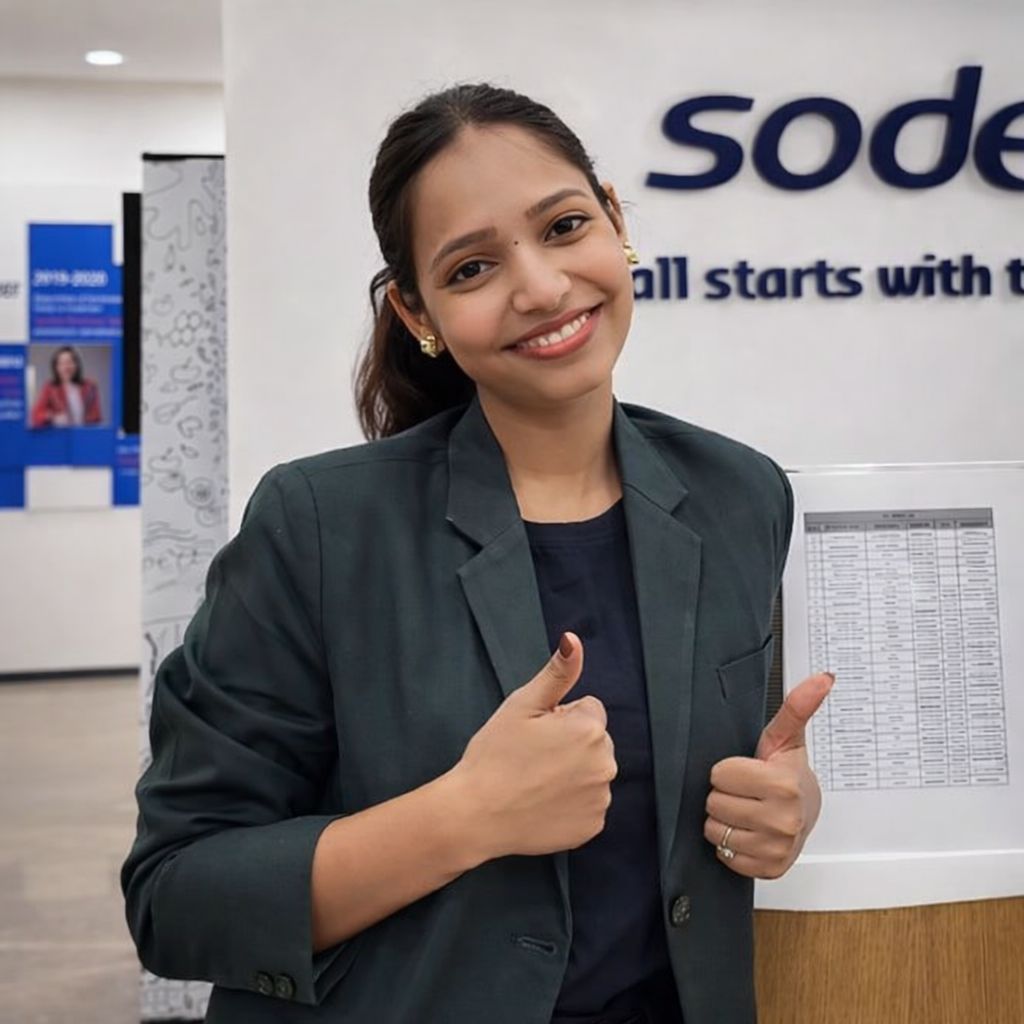
Kriti Kumari is a hospitality reviewer at ServSafe Practice with experience in food service and hotel operations. She currently works as an Assistant Manager at Sodexo and has also trained at ITC Hotels. As a Bachelor of Science in Hospitality and Hotel Administration student at IHM Kolkata, she brings both academic knowledge and industry exposure to reviewing food safety, hospitality, and restaurant certification practice content.